
Sensors
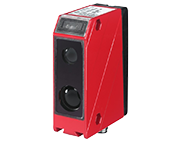
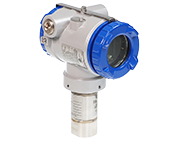
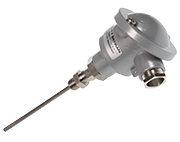
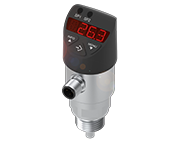
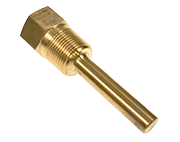
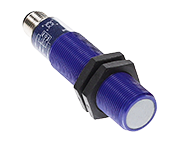
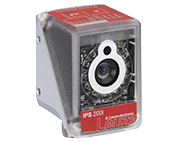
Industrial Sensors to Measure Temperature, Pressure, and Flow
Sensors are devices that detect changes in physical conditions and convert them into electrical signals that automation systems can use. In industrial control applications they monitor variables such as temperature, pressure, flow, level, position and current sensors so PLCs, process controllers and safety systems can respond appropriately.
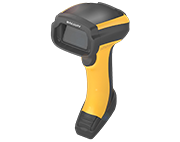
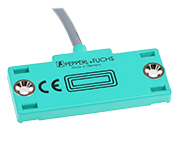
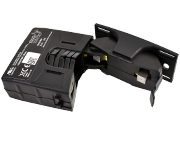
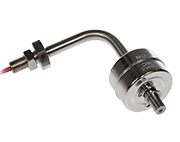
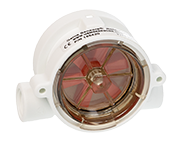
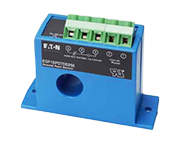
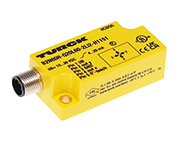
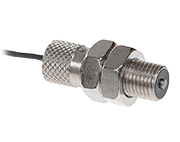
A sensor measures a specific quantity and outputs a signal - for example, a temperature sensor or RTD providing a 4-20 mA signal to a controller, a pressure sensor monitoring a pump discharge, a flow sensor verifying coolant flow or a float switches indicating tank level. Position and presence can be detected with capacitive proximity sensors or ultrasonic sensors, while vision sensors and barcode sensors handle inspection and identification tasks.
Galco's sensor offering includes devices for measuring temperature, pressure, flow, level, current, inclination, and more, along with sensor accessories, so designers and maintenance teams can match sensing technology, range, mounting style, and output type to each application.
Frequently Asked Questions
Do sensors require maintenance or calibration?
Some sensors require periodic cleaning (especially optical or flow sensors), calibration (for process sensors measuring pressure, flow, temperature), or inspection (seals, housings), especially if used in harsh environments. Choosing industrial-rated sensors helps reduce maintenance frequency.
Why is response time important when choosing a sensor?
Response time determines how quickly the sensor can detect a change. Fast-moving conveyors, rotating machinery, or high-speed counting applications require sensors with short response times to avoid missed detections or inaccurate readings.
Do sensors require power from the control panel, or do they generate their own signal?
Most industrial sensors require an external power supply, often 24 VDC, to operate their internal electronics. They then provide an output signal that the PLC or controller reads. Some simple devices, such as passive temperature sensors, do not require power, but most automation sensors do.