
Connectors
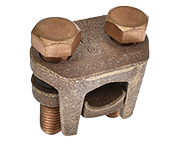
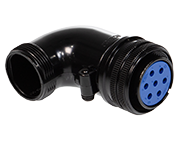
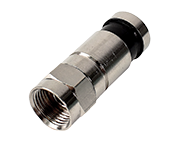
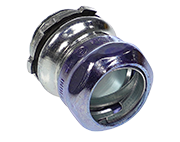
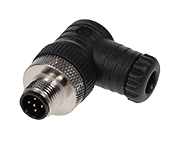
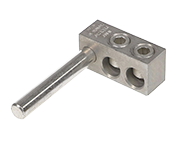
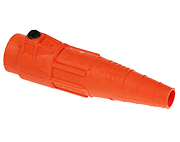
Electrical connectors are devices used to join electrical terminations and complete a working circuit. Connectors work in pairs: plugs (male) and jacks (female). Hundreds of connector types exist for power, signal, networking, and control applications.
A wide variety of characteristics help determine the use case for a connector. Different connectors have different pinouts, contact resistance, insulation, sizes, ruggedness, resistance to external hazards, and more. Different physical construction styles exist to easily differentiate one type of connector from another. Connector pairs share most, if not all, characteristics and can't work with a plug or jack of another type.
Common connectors include cam-style, circular, coaxial, pin and sleeve, rectangular, straight blade, and mechanical for splice and reducing. Many include twist locks and are keyed to prevent disconnection and ensure the correct plug joins with the correct receptacle.
Connector Standards and Ratings to Consider
Industrial connectors are designed to meet recognized standards that define their electrical performance, mechanical durability, and environmental resistance. These standards help ensure compatibility between components, predictable performance in demanding applications, and compliance with safety and regulatory requirements.
Electrical ratings specify allowable voltage, current, and insulation performance under defined conditions. Mechanical ratings address factors such as mating cycles, vibration resistance, and contact retention, which are critical in industrial environments where connectors may be repeatedly connected and disconnected.
Environmental ratings describe a connector's ability to withstand exposure to dust, moisture, and contaminants. Ingress protection ratings are commonly used to indicate sealing performance, particularly in applications exposed to washdown, outdoor conditions, or airborne debris.
Many connectors are also evaluated against industry standards that define form factors, testing methods, and material requirements. Selecting connectors that meet appropriate standards helps support consistent installation practices, simplifies system integration, and reduces the risk of premature failure in industrial electrical and automation systems.
Frequently Asked Questions
What does IP rating mean for connectors?
Ingress protection (IP) ratings define how well a connector resists solids and liquids. Higher numbers indicate better protection against dust and water, important where equipment is exposed to contaminants or washdown conditions.
How do I determine the correct current and voltage rating for a connector?
Connector ratings should meet or exceed the maximum expected circuit load. Confirm the rated current per contact and the maximum voltage withstand of the housing and contacts against system requirements.
How do I size a connector for multi-wire applications?
Connector sizing involves selecting a product with adequate contact count and spacing to accommodate the number and gauge of wires. Higher pin counts support more complex circuits, but also require compatible panel cutouts or cable strain relief.