
Grounding
In electronics, the ground is the reference point in an electrical circuit from which voltages are measured, a common return path for electric current, or a direct physical connection to the Earth.
Grounding is employed in electrical systems for several reasons. Equipment is connected to ground to prevent user contact with dangerous voltages in the event the insulation fails. In combination with fuses and breakers, this is one of the most important components of electrical safety. Grounding also helps limit the buildup of static electricity and absorb unlimited amounts of current without changing a circuit's potential.
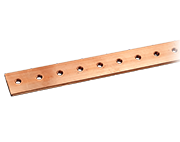
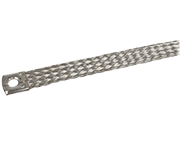
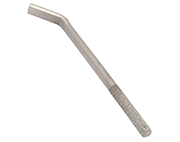
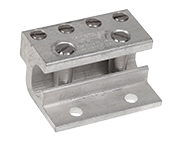
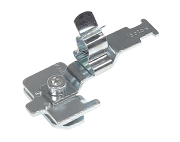
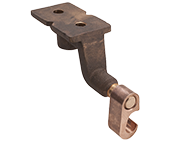
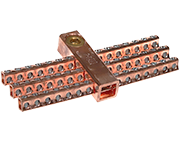
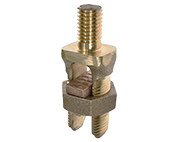
Grounding is accomplished with a variety of hardware, from straps and clamps to studs and posts. Neutral bars are installed in panels that are used to bond all devices in a cabinet or enclosure to the main entry point and dissipate stray voltage. Grounding plates function similarly to posts and studs in that they are buried below grade while providing a larger surface area for current to dissipate into the ground.
Key Selection Considerations for Grounding Components
Selecting grounding connectors and grounding hardware begins with conductor compatibility. Grounding clamps, grounding lugs, and bonding connectors must be rated for the correct wire size and conductor material, such as copper or aluminum, to ensure a secure and low resistance termination.
Mechanical reliability is also important, especially in industrial environments with vibration or frequent maintenance. Grounding connections must maintain bonding continuity over time to support effective fault current paths and electrical safety.
Installation requirements should guide the choice between grounding busbars, grounding plates, service post connectors, or direct grounding clamps, depending on panel layout and grounding topology. Environmental exposure should also be considered, as corrosion-resistant grounding hardware is critical in humid, outdoor, or harsh industrial environments.
Choosing properly rated grounding components supports code-compliant installations, predictable grounding performance, and long-term system reliability.
Frequently Asked Questions
Is grounding required in control panels?
Yes. Grounding is typically required to provide safe fault current paths, reduce electrical noise and transient voltages, and support compliance with safety practices and panel wiring standards.
How do I choose the correct grounding lug for a conductor?
Grounding lug selection depends on conductor material, wire gauge, termination style, and mounting requirements. The lug must be rated for the specific conductor type and provide secure mechanical clamping to maintain low resistance contact.
Can grounding connectors be used on painted or coated surfaces?
Grounding connectors require direct metal to metal contact for proper conductivity. Painted, anodized, or coated surfaces must typically be cleaned or prepared at the connection point to ensure a reliable bond.
Why is low impedance important in grounding connections?
Low impedance grounding paths allow fault currents to flow quickly and predictably, enabling protective devices to trip effectively. High resistance or loose connections can reduce fault clearing performance and increase safety risk.
Are grounding clamps rated for specific conduit or pipe sizes?
Yes. Grounding clamps are designed for defined conduit, pipe, or grounding electrode sizes. Always match clamp sizing and conductor range to the installation requirements to ensure secure bonding.