
Terminals
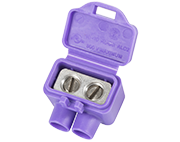
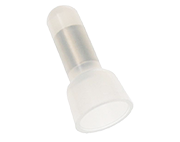
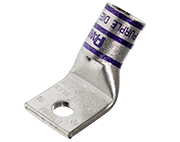
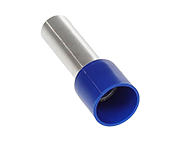

Terminals
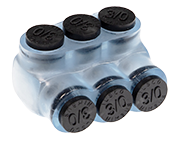
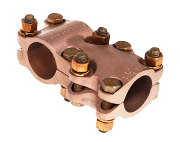
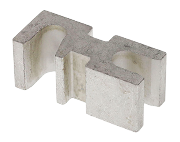
A terminal is the point at which a conductor from an electrical device comes to an end. It is at this point that components connect to external circuits. It can simply be the end of a wire, or it can be fitted with specific connectors, fasteners, adaptors, or lugs.
The connection at a terminal may be temporary, using hardware that can easily be installed or removed. Temporary connections are made with discrete hardware, such as wire nuts or crimp terminals, which can usually be fastened or removed by hand.
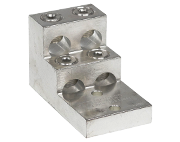
Other, more permanent terminals require certain tools or methods to install, like soldering, mechanical, or compression lugs. In a closed system, two terminals are used: a positive terminal and a negative terminal. Current flows from positive to negative, completing the circuit and providing a secure connection between equipment.
Types of Electrical Terminals and Their Functions
Industrial wiring uses a variety of terminal types depending on conductor style, electrical requirements, and mounting preferences:
- Ring terminals provide a secure lug termination that attaches to a stud or screw via a ring that fully encircles the fastener.
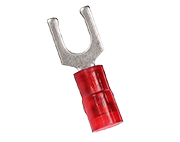
- Spade (fork) terminals allow easy connection and disconnection at screw terminals without full removal of the fastener.
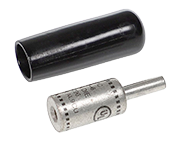
- Butt connectors join two conductors end-to-end in crimp or solder applications.
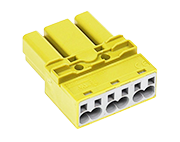
- Quick disconnect terminals offer rapid assembly and disassembly in maintenance or modular designs.
- Insulated and uninsulated terminals are selected based on environmental, voltage, and mechanical protection needs.
These terminals accommodate a wide range of wire gauges, stud sizes, and termination methods, enabling reliable electrical performance in industrial control panels and machinery wiring.
Key Selection Criteria for Industrial Terminals
When selecting electrical terminals, consider the following technical factors:
- Conductor material and wire gauge: Terminals must match the conductor size and material (copper, aluminum) to ensure a secure mechanical and electrical connection.
- Termination method: Choose crimp, solder, or screw style based on installation practices and environmental demands.
- Insulation requirements: Insulated terminals provide mechanical protection and voltage isolation; uninsulated types offer simpler connections where insulation is not needed.
- Environmental conditions: For applications exposed to moisture, vibration, or contaminants, choose terminals with appropriate insulation and corrosion resistance.
- Panel and mounting constraints: Evaluate how terminals interface with equipment panels, grounding points, and associated hardware for accessible and serviceable wiring.
Frequently Asked Questions
What is the difference between a terminal and a terminal block?
An electrical terminal is a single-wire termination component, such as a ring, spade, or butt connector. A terminal block is a modular assembly that provides multiple termination points mounted together, often used for structured panel wiring and circuit distribution.
Can electrical terminals be used in high vibration applications?
Yes, but terminals must provide secure mechanical retention. Ring terminals are often preferred in vibration-prone environments because they fully capture the stud connection and reduce the risk of loosening compared to fork styles.
Can terminals be used for grounding and bonding connections?
Yes. Ring terminals and grounding lugs are commonly used for bonding conductors to grounding points, busbars, or enclosure studs to maintain fault current paths and electrical safety.