
Wire Harnesses
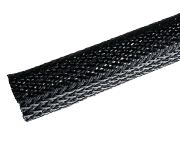
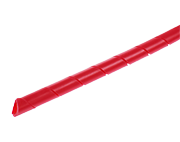
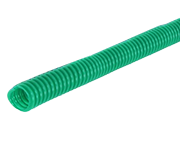
Wire harnesses are organized assemblies of wires, cables, and connectors bundled together to create a single, manageable cable assembly for routing electrical power, control signals, and data within industrial systems. In control panels, machinery, and automation equipment, wire harnesses simplify complex wiring by consolidating multiple conductors, reducing installation time, and improving reliability.
Industrial wire harnesses are engineered to meet application requirements, with defined lengths, termination points, and protection elements such as sleeving, conduit, or cable ties. They are widely used in control panels, robotics, material handling systems, process automation, and other electrical systems where consistent routing and reproducible installations are critical.
Wire harnesses are often used with related products like connectors, cable ties, and terminal blocks to create organized, serviceable electrical assemblies.
Common Types of Industrial Wire Harnesses
Industrial wire harnesses come in various configurations depending on the application:
- Control panel harnesses: pre-built assemblies for panel wiring that reduce field installation time
- Device harnesses: cables preterminated to match specific sensors, actuators, or field devices
- Power distribution harnesses: assemblies that route primary power to multiple circuits or devices
- Data and communication harnesses: assemblies that bundle network and signal cabling for industrial networks
- Custom harnesses: bespoke assemblies built to specification for unique wiring layouts
Harness assemblies may include protective sleeving, shrink tubing, labels, or identification markers to improve durability and serviceability in industrial environments.
Frequently Asked Questions
What is the difference between a wire harness and a cordset?
A wire harness is a custom or semi-custom assembly designed for internal panel or equipment wiring with multiple conductors and termination points. A cordset is typically a preterminated cable with connectors on one or both ends for field interconnects.
How do I determine the correct wire harness length?
Measure the physical routing path between termination points and add sufficient slack for strain relief and service loops. Proper length prevents tension on connectors and supports clean routing.
What is the role of protective sleeving in a wire harness?
Protective sleeving helps shield conductors from abrasion, chemicals and mechanical stress, improving harness durability in harsh industrial environments.