
Dehumidifiers
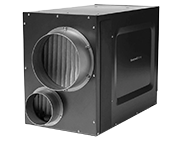
Types of Dehumidifiers
Dehumidifiers reduce moisture levels to support comfort, equipment protection, and process stability. They are used where humidity control is required to prevent condensation and maintain consistent indoor conditions.
- Dehumidifiers used to reduce humidity and limit condensation risk.
- Units selected for facility areas where moisture control impacts equipment or comfort.
- Solutions used where humidity control is part of a broader HVAC strategy.
For monitoring and control components used in humidity control, see HVAC Sensors and Controllers. For moisture addition, compare Humidifiers.
Key Selection Criteria for Dehumidifiers
- Capacity requirements and target humidity range for the space.
- Ambient temperature and installation environment constraints.
- Airflow requirements and placement considerations.
- Control needs and sensor integration requirements.
- Maintenance requirements and service access.
Choosing the right capacity and control approach helps maintain stable humidity and reduces moisture-related issues.
Frequently Asked Questions
What are dehumidifiers used for in HVAC systems?
They are used to reduce moisture and maintain humidity targets to help prevent condensation and support stable indoor conditions.
What should I confirm for capacity and environment?
Confirm required capacity, target humidity range, ambient temperature range, and installation constraints to ensure performance matches the space.
How do dehumidifiers integrate with controls and sensors?
Dehumidifiers are commonly controlled using humidity sensors and control logic. Confirm compatibility with your controller and required signal/control method.