
HVAC Valves
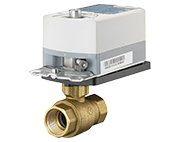
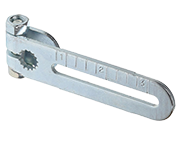
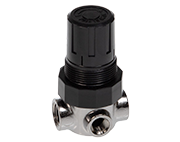
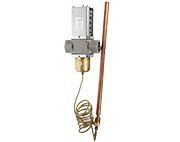
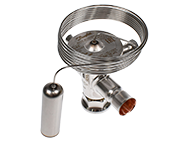
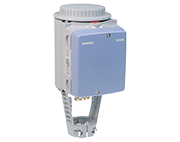
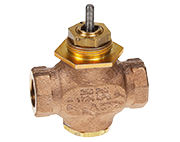
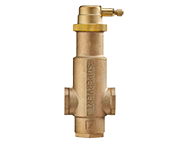
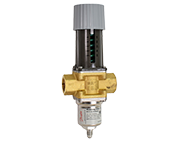
HVAC Valves
A valve is a device that regulates the flow of a fluid by opening, closing, or partially obstructing a passageway.
Modern control valves operate on sophisticated automation systems that are based on external input. The valve is used to regulate flow based on previously-determined setpoints or variables, for example. These types of valves require an actuator to accurately position the valve based on its inputs and setup. Actuators can be electrical, hydraulic, or pneumatic, depending on the application and its environment.
Valves are critical in HVAC applications, and paired with actuators, are designed to regulate the flow of both hot and chilled water in HVAC systems. Ball valves are most common in HVAC systems, allowing flow in several directions with a single fitting.
Types of HVAC Valves
HVAC valves control flow in heating and cooling circuits and are used to regulate system performance and zone behavior. Valve selection depends on media type, connection standards, and control requirements.
- Valves used to regulate flow to coils, zones, or equipment.
- Valves selected for compatibility with the HVAC system media and pressure.
- Valves used where control integration and repeatable regulation are required.
For related airflow control components, see Dampers. For monitoring and control, see HVAC Sensors and Controllers.
Key Selection Criteria for HVAC Valves
- Media type and system compatibility (heating/cooling circuit requirements).
- Pressure and temperature requirements.
- Connection type and installation constraints.
- Flow requirements and control behavior needs.
- Actuation requirements where applicable (manual vs actuator-ready).
Matching valve function and compatibility requirements supports stable flow control and easier service.
Frequently Asked Questions
What are HVAC valves used for?
They are used to regulate or isolate flow in heating and cooling circuits to support zone control and system performance.
What should I confirm for media, pressure, and connection type?
Confirm system media requirements, maximum pressure and temperature, and the connection style used so the valve matches the installed piping and ratings.
When do I need an actuated valve vs. manual valve?
Use actuated valves when flow must be controlled automatically by a controller. Manual valves are typically used for fixed adjustment or isolation during service.