
Fittings - Hydraulic & Pneumatic
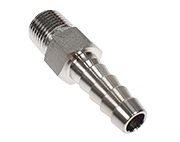
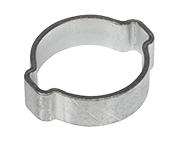
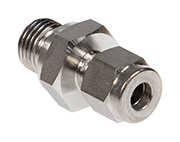
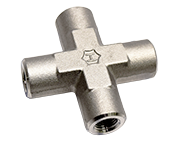
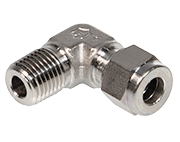
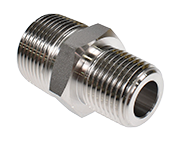
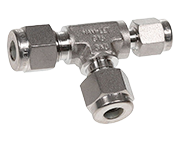
Types of Hydraulic & Pneumatic Fittings
Hydraulic and pneumatic fittings are used to connect, adapt, and route fluid power lines while maintaining a leak-resistant seal under pressure. Fittings are selected based on port/thread standard, sealing method, size, and installation constraints.
- Adapters for converting between port types, thread standards, or sizes.
- Elbows for direction changes in tight routing.
- Tees for branching off a main run.
- Crosses for four-way branch connections.
- Nipples for straight port-to-port connections and extensions.
- Connectors for joining lines and components with compatible sealing methods.
- Complementary components for completing fitting assemblies and installation needs.
For flow, direction, and pressure control components that are commonly selected alongside fittings, browse Hydraulic & Pneumatic Valves.
Key Selection Criteria for Hydraulic & Pneumatic Fittings
- Port/thread standard and sealing method compatibility (match both sides of the connection).
- Pressure rating and temperature requirements for the system.
- Size compatibility and flow requirements to avoid restriction.
- Material and seal compatibility with media and environment (corrosion, chemicals, washdown).
- Installation clearance, orientation, and serviceability needs.
Matching the sealing method and rating to the system standard is the most important step for leak-resistant performance.
Frequently Asked Questions
What are hydraulic and pneumatic fittings used for?
They are used to connect hoses, tubes, and components, adapt ports, and route fluid power lines while maintaining a pressure-rated seal in hydraulic and pneumatic systems.
What should I confirm for thread and sealing compatibility?
Confirm the port/thread standard, sealing method (such as tapered thread vs. an O-ring or flare seal), and size on both sides of the connection. Then verify the fitting's pressure rating and temperature rating match the system requirements.
How do I choose fitting material and seals for my environment?
Match materials and seals to the media and exposure conditions, especially where corrosion, chemicals, vibration, or washdown conditions can impact long-term reliability. When in doubt, confirm the material specification and seal compatibility in the product documentation.