
Brakes & Clutches
Industrial Brakes and Clutches for Motion Control and Power Transmission
Industrial brakes and clutches are mechanical power transmission components used to control rotational motion in machinery and automated systems. These devices allow equipment to start, stop, engage, disengage, and hold loads in position, improving operational safety and process control. Clutches connect or disconnect rotating shafts to transmit torque, while brakes slow or stop motion by converting kinetic energy into heat through friction.
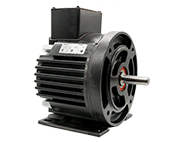
In motor-driven systems, brakes and clutches are essential for regulating speed, controlling acceleration and deceleration, and maintaining precise positioning. They are commonly used in conveyors, packaging equipment, printing machinery, robotics, material handling systems, and heavy industrial equipment. Proper integration of braking and clutch components helps reduce mechanical stress, improve system responsiveness, and increase equipment reliability.
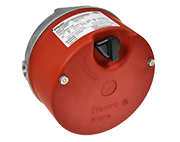
Industrial brake and clutch systems are available in multiple configurations depending on application requirements. Industrial brakes are used to stop rotating shafts, hold loads stationary, or control motion during deceleration. These devices may be mechanically actuated, pneumatic, hydraulic, or electromagnetic, depending on the required response time and torque capacity.
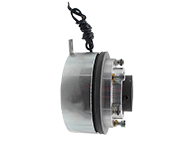
Industrial clutches are designed to couple or decouple a driving shaft from a driven shaft, allowing controlled torque transmission and enabling machines to start or stop specific processes without shutting down the entire system.
In many applications, combined clutch brake units are used to provide both engagement and stopping functions within a single assembly. These units are commonly used in high-cycle industrial equipment where rapid start-stop control is required.
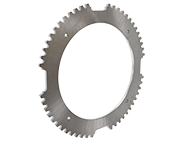
Supporting components such as brake and clutch accessories are used to improve installation, control performance, and system protection. Accessories may include control modules, mounting components, and replacement friction elements that help maintain proper operation and extend service life.
Industrial brake and clutch selection depends on torque requirements, response time, duty cycle, environmental conditions, and system integration considerations. Choosing the correct motion control components ensures efficient power transmission, improved machine safety, and reliable performance in demanding industrial environments.
Frequently Asked Questions
How is clutch torque capacity determined?
Torque capacity depends on friction surface area, applied force, material characteristics, and operating conditions such as speed and temperature.
What causes premature wear in industrial brakes and clutches?
Common causes include overheating, improper torque sizing, contamination, excessive cycling, and misalignment.
What are clutch brake units used for?
Clutch brake units combine engagement and stopping functions in one device, allowing machines to start and stop rapidly without shutting down the motor.