
Drives
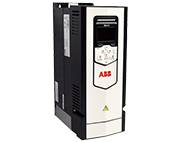
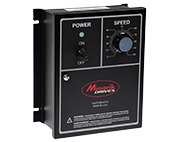
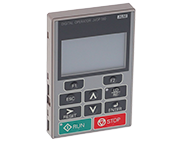
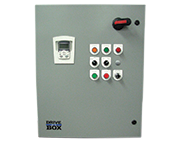
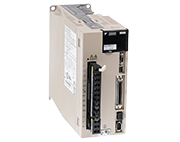
Motor Drives for Speed Control and Industrial Motion Systems
Drives are electromechanical control systems that use an electric motor as the prime mover to regulate the motion and operating processes of industrial machinery. The primary function of a motor drive is to deliver a controlled amount of electrical energy to a motor so that its speed and torque output match the requirements of a specific application.
Motor drives are commonly referred to as variable speed drives, adjustable speed drives, variable frequency drives, or adjustable frequency drives. Regardless of terminology, the core purpose of a drive is to control motor speed, improve process efficiency, and enable precise motion control in automated systems.
Modern drive technology allows motors to operate at variable speeds by adjusting input voltage, frequency, or current. This capability improves energy efficiency, reduces mechanical stress, and enhances overall machine performance. Drives are widely used in applications such as conveyors, pumps, fans, compressors, mixers, packaging equipment, and robotics.
AC drives are commonly used with induction motors to provide adjustable speed control by varying output frequency. These drives are widely applied in general industrial automation and process control systems.
DC drives are used to control the speed and torque of DC motors, offering smooth low-speed operation and high starting torque in specialized applications.
Servo drives provide high-precision motion control by regulating motor position, velocity, and torque based on feedback signals from encoders or resolvers. Servo systems are commonly used in robotics, CNC machinery, and automated production lines.
In some installations, pre-engineered drive systems are used to simplify integration by combining drives with protective enclosures, disconnects, or control components for faster deployment in industrial environments.
Supporting components such as drive accessories help enhance drive performance, improve installation flexibility, and support safe operation. Accessories may include braking resistors, filters, communication modules, and mounting hardware.
Motor drives are available in a wide range of frame sizes and horsepower ratings to support applications from small machine tools to large industrial processes. Proper drive selection ensures accurate speed control, improved system reliability, and optimized energy usage.
Frequently Asked Questions
How do motor drives improve energy efficiency?
By allowing motors to run only at the speed required for a process, drives reduce energy consumption compared to constant-speed operation.
What is motor slip and how do drives affect it?
Motor slip is the difference between synchronous speed and actual rotor speed. Drives can control slip characteristics by adjusting frequency and voltage.
What factors should be considered when selecting a motor drive?
Important factors include motor type, load characteristics, required speed range, torque requirements, environmental conditions, and control interface compatibility.