
Tach Generators
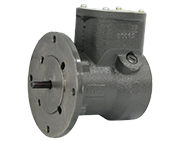
Tach Generators for Motor Speed Feedback and Industrial Motion Monitoring
Tach generators, also known as tachogenerators, are electromechanical feedback devices used to measure the rotational speed of motors and other rotating machinery. By converting mechanical motion into an electrical signal proportional to shaft speed, tach generators provide reliable feedback for monitoring, indication, and closed-loop motor control systems.
In industrial automation, tach generators are commonly mounted directly to a motor or driven shaft to produce an output voltage or frequency that corresponds to rotational velocity. This feedback signal allows control systems, drives, or instrumentation to regulate speed, detect overspeed conditions, and maintain consistent machine performance in applications such as conveyors, pumps, mixers, cranes, machine tools, and process equipment.
Most tach generators operate based on electromagnetic induction. As the rotor rotates within a magnetic field, an electrical voltage is induced in the stator windings. The magnitude of this voltage increases proportionally with shaft speed, enabling accurate and repeatable speed measurement across a wide operating range.
Tach generators are valued for their rugged construction and ability to operate reliably in demanding environments involving vibration, dust, or temperature fluctuations. Because they provide a direct analog output signal and require minimal signal processing, these devices are often used in heavy-duty drive systems and legacy automation equipment where simple, stable speed feedback is required.
Industrial tach generator selection depends on factors such as output signal type (AC or DC), speed range, mounting configuration, environmental protection rating, and compatibility with motor control or monitoring systems. Proper integration helps improve motion control accuracy, reduce mechanical wear, and support efficient operation of motor-driven equipment.
Frequently Asked Questions
What factors influence tach generator accuracy?
Accuracy depends on mechanical alignment, electrical load conditions, temperature stability, and signal processing methods.
What maintenance is required for tach generators?
Periodic inspection of bearings, electrical connections, brushes (in brushed models), and mounting alignment helps ensure long service life.
How do tach generators compare to encoders for speed sensing?
Tach generators provide simple analog speed signals and high durability, while encoders typically offer higher resolution and digital feedback for precision motion control.