
Gateways & Routers
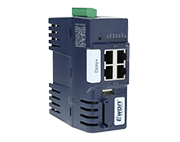
Wi-Fi Routers for Industrial Wireless Network Connectivity
Wi-Fi routers provide wireless network access for industrial devices, control systems, and connected equipment. They allow data to move between local devices and broader plant or remote networks without requiring a wired connection at every endpoint.
Industrial Wi-Fi routers are commonly used to support wireless communication for control panels, HMIs, mobile equipment, remote monitoring systems, and temporary installations. In many applications, they help connect wired and wireless network segments while supporting reliable data flow between machines, operators, and supervisory systems.
Key Features to Consider
Industrial Wi-Fi routers may offer features such as:
- Multiple LAN and WAN ports for flexible network integration
- Support for secure wireless communication
- DIN rail or panel mounting options
- Rugged designs for demanding environments
- Compatibility with industrial network architectures
These capabilities help support reliable wireless access in manufacturing facilities, utilities, transportation systems, and other industrial settings.
How to Choose a Wi-Fi Router
Choosing the right Wi-Fi router depends on the network requirements and installation environment. Important factors include:
- Required coverage area and signal strength
- Number of connected devices
- Port configuration and network interface needs
- Security features such as VPN support
- Environmental ratings for temperature, vibration, and enclosure requirements
Selecting a router with the right wireless performance, connectivity options, and durability helps support stable communication and long-term network reliability.
Wi-Fi routers are an important part of industrial networking infrastructure because they provide flexible wireless connectivity for systems that cannot rely only on wired communication. The right router can help improve accessibility, simplify installation, and support efficient data exchange across industrial operations.
Frequently Asked Questions
What is MIMO technology in Wi-Fi routers?
Multiple Input Multiple Output (MIMO) technology uses multiple antennas to transmit and receive data simultaneously. This improves signal strength, increases data throughput, and enhances overall wireless reliability in industrial environments.
What is roaming in industrial Wi-Fi networks?
Roaming allows wireless devices to move between access points or routers without losing network connectivity. Industrial Wi-Fi systems may support fast roaming protocols to maintain continuous communication for mobile equipment.
What is SSID segmentation?
SSID segmentation allows a single Wi-Fi router to broadcast multiple network names, enabling separation of network traffic for different users or applications. This improves security and network organization in industrial environments.