
Cable Entries
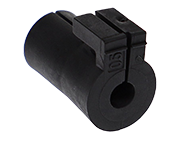
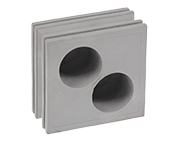
Cable Entries for Industrial Cable Routing and Protection
Cable entries are used to route cables safely through panels, enclosures, and equipment housings while helping protect against abrasion, strain, dust, and environmental exposure. In industrial electrical systems, they are commonly used wherever power, control, or communication cables need to pass through a cabinet wall, machine panel, or enclosure opening without damaging the cable jacket or compromising the installation.
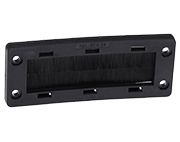
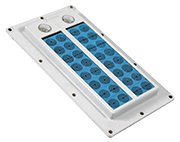
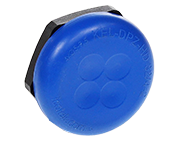
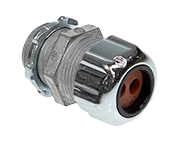
Different cable entry types are designed for different installation needs. Some applications require sealed entry points for environmental protection, while others prioritize flexibility, easier cable routing, or the ability to pass pre-terminated cables through an opening. Common solutions include cable glands for secure sealing and strain relief, cable grommets for edge protection and cable pass-through, and modular or framed systems used where multiple cables or changing cable layouts need to be managed efficiently.
Galco offers cable entry products for a wide range of industrial wiring and enclosure applications. Choosing the correct solution depends on cable size, number of cables, whether connectors are already installed, and the level of sealing, strain relief, or flexibility required. Proper selection helps improve cable protection, simplify installation, and support long-term reliability in industrial environments.
What to Consider When Selecting Cable Entries
Choosing the right cable entry starts with the opening type, cable diameter, and the number of cables that need to pass through the enclosure. For simple cable routing, a grommet or edge protection solution may be enough. For applications that require stronger sealing or mechanical retention, cable glands or framed entry systems are often a better fit. Installations involving pre-terminated cables may also require split or modular designs that allow cables to pass through without removing connectors.
Environmental and application conditions should also be considered during selection. Dust, moisture, vibration, washdown exposure, and enclosure protection requirements can all influence which cable entry style is appropriate. In some systems, cable entries are used alongside other enclosure and wiring hardware such as electrical boxes, fittings, and cable management components to help create a more secure and organized installation.
Frequently Asked Questions
How do I choose the right cable entry for my application?
Start by identifying the cable size, number of cables, enclosure opening, and whether the application needs sealing, strain relief, or simple pass-through protection. It is also important to know whether cables are bare-ended or already terminated, since that can affect whether a standard or modular cable entry design is the better choice.
What is the difference between a cable gland and a cable grommet?
A cable gland is typically used to secure and seal a cable as it enters an enclosure, often providing both strain relief and environmental protection. A cable grommet is more commonly used to protect the cable from abrasion where it passes through an opening. The correct choice depends on how much retention, sealing, and protection the application requires.
When should I use a modular or framed cable entry system?
Modular or framed cable entry systems are often used when multiple cables need to pass through the same opening or when pre-terminated cables must be installed without removing connectors. These systems can make installation and future cable changes easier while helping maintain cable organization and enclosure integrity.