
Couplers
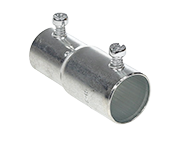
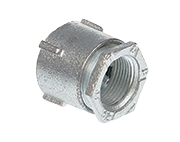
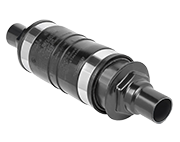
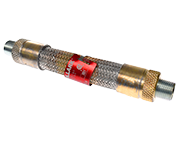
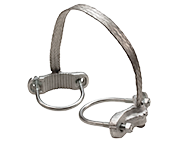
Industrial Couplers for Joining and Supporting Electrical Conduit Runs
Industrial couplers are used to join sections of conduit or related raceway components so electrical systems can be routed securely and continuously through an installation. In industrial and commercial settings, couplers help maintain alignment, protect conductors, and support reliable mechanical connections between conduit sections exposed to vibration, movement, or changing environmental conditions.
Different coupler types are designed for different installation needs. Standard conduit couplers are commonly used to connect straight conduit runs, while flexible couplers can help accommodate slight movement or misalignment. Other designs, such as deflection or expansion styles, are used where conduit runs may shift because of structural movement, vibration, or thermal expansion. Selecting the correct coupler helps support both electrical continuity and long-term system durability.
Galco offers couplers for a range of industrial electrical applications. Choosing the right coupler depends on conduit type, size, installation environment, and whether the application requires a rigid connection, flexibility, grounding continuity, or movement compensation. Proper selection helps maintain conduit system integrity and reduce stress on connected components across power and electrical installations.
What to Consider When Selecting Couplers
Choosing the right coupler starts with matching the conduit type and trade size, since the connection needs to fit the rest of the raceway system correctly. From there, it is important to consider how the conduit run will behave once installed. Some applications only require a straightforward rigid connection, while others may need flexibility to handle vibration, slight misalignment, or movement over time. In these cases, specialty options such as flexible couplers or deflection and expansion couplers may be more appropriate.
Environmental conditions and system requirements should also guide selection. Installations exposed to thermal change, machinery movement, or demanding industrial conditions may place added stress on conduit connections, making movement accommodation more important. In some applications, grounding continuity is also a factor, which can influence whether a standard conduit coupler or a more specialized connection is needed. Couplers are often used alongside other conduit system components such as fittings and conduit mounts to support a secure and reliable installation.
Frequently Asked Questions
What is an industrial coupler used for?
An industrial coupler is used to join sections of conduit or raceway so the electrical run remains mechanically secure and properly aligned. It helps create a continuous pathway for conductors while supporting the strength and stability of the overall installation.
How do I choose the right conduit coupler?
Start by matching the coupler to the conduit type and size being installed. Then consider whether the application needs a rigid connection, added flexibility, or accommodation for movement caused by vibration, settling, or thermal expansion. The installation environment and grounding requirements can also affect the best choice.
When should I use a flexible or expansion coupler instead of a standard coupler?
Flexible or expansion couplers are often used when conduit runs may shift during operation or over time. This can include applications with vibration, structural movement, or temperature-related expansion and contraction. In more stable installations, a standard conduit coupler is often sufficient.