
Electrical Boxes
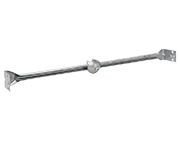
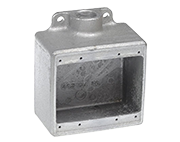
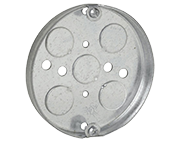
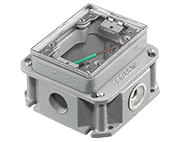
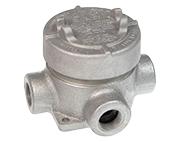
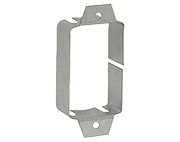
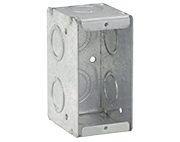
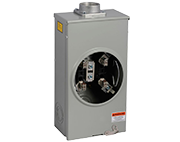
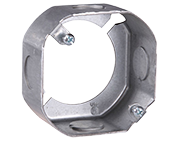
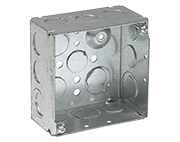
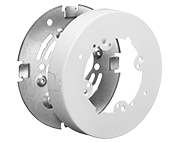
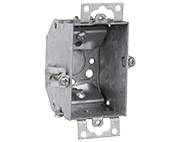
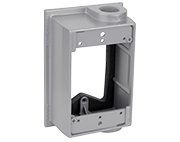
Electrical Boxes for Enclosing and Protecting Wiring Connections
Electrical boxes are used to enclose and protect wiring connections, devices, and terminations in industrial and commercial electrical systems. They provide secure housing for outlets, switches, splices, and other connection points while helping organize wiring and reduce the risk of accidental contact or environmental hazards. In many applications, electrical boxes also serve as mounting points for devices and help support a safer, more serviceable installation.
Different box types are designed for different installation conditions, device layouts, and structural requirements. Some are intended for standard device mounting, while others are built for concrete, masonry, ceiling, conduit, or wet-location applications. The right box depends on where it will be installed, what it needs to contain, and how wiring will enter and exit the enclosure. Related components, such as electrical box covers and accessories, also play an important role in protecting connections and matching the box to the application.
Galco offers electrical boxes for a wide range of industrial electrical installations. Choosing the correct box depends on box size, material, mounting style, device configuration, and environmental exposure. Proper selection helps protect wiring, support code-compliant installation practices, and make future maintenance or device replacement easier across power and electrical systems.
Choosing the Right Electrical Box for the Application
Selection starts with understanding what the box needs to support. Device type, conductor count, conduit entry requirements, and box size all affect which style is appropriate. A box used for a simple switch or receptacle layout may be very different from one needed for conduit transitions, ceiling-mounted devices, or installations in concrete or masonry. It is also important to consider whether the application calls for a standard device box, a dedicated outlet or switch box, or a more specialized design such as a conduit outlet box or wet location outlet box.
Installation environment is just as important as box configuration. Material choice, mounting method, and protection level should all align with where the box will be used and what conditions it may face over time. Industrial applications may require boxes that withstand moisture, impact, surface-mounting constraints, or specialized construction conditions. Electrical boxes are often selected alongside covers, fittings, and related hardware to support a complete and properly protected installation.
Frequently Asked Questions
What is an electrical box used for?
An electrical box is used to house and protect wiring connections, outlets, switches, and other electrical devices. It helps contain the connection point, supports device mounting, and reduces exposure to accidental contact or environmental hazards in the installation area.
How do I choose the right electrical box?
Start by identifying what the box needs to hold, how wiring or conduit will enter it, and where it will be installed. Box size, shape, material, mounting style, and environmental exposure all affect the best choice. It is also important to match the box to the intended device or wiring application.
When do I need a specialized electrical box instead of a standard one?
A specialized electrical box is often needed when the installation involves specific structural conditions, environmental exposure, or wiring layouts that a standard box is not designed to handle. Examples include concrete or masonry installations, ceiling-mounted devices, conduit transitions, or outdoor and wet-location applications.