
Fittings
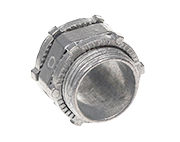
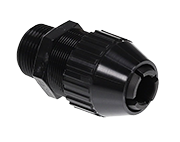
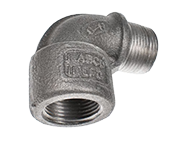
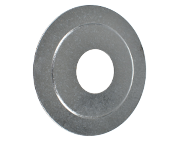
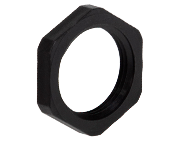
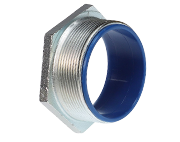
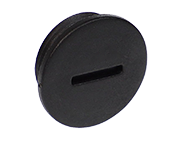
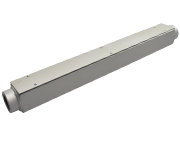
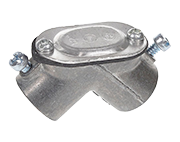
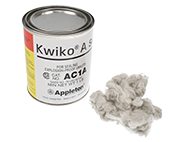
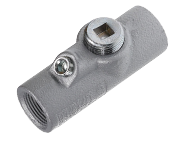
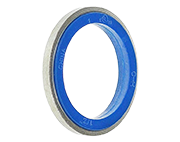
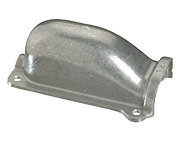
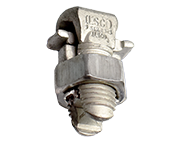
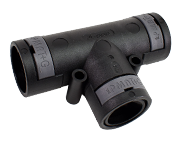
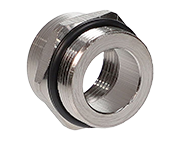
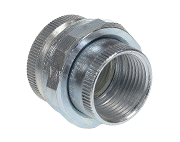
Electrical Fittings for Connecting, Securing, and Routing Electrical Systems
Electrical fittings are used to connect, support, adapt, and protect conduit, cable, and enclosure systems in industrial electrical installations. They help create secure mechanical connections, maintain raceway continuity, protect conductors at entry and transition points, and support changes in direction or configuration throughout the system. In many applications, fittings are essential for completing an installation safely and matching the layout of the equipment, enclosure, or conduit run.
Because electrical fittings cover a wide range of functions, the right type depends on what the connection needs to accomplish. Some fittings are used to join or adapt conduit sections, while others are selected to seal openings, terminate cable entries, or support changes in size, direction, or mounting position. Common examples include conduit and cable connectors for terminating and securing runs, threaded adapters for transitioning between connection types, and sealing fittings where environmental isolation or hazardous location requirements need to be addressed.
Galco offers electrical fittings for a wide range of industrial power and wiring applications. Choosing the correct fitting depends on conduit or cable type, trade size, connection method, environmental conditions, and the function the fitting needs to serve within the system. Proper selection helps support safe installation, maintain mechanical integrity, and improve long-term reliability across power and electrical systems.
What to Consider When Selecting Electrical Fittings
Choosing the right electrical fitting starts with understanding the exact role it needs to play in the installation. Some fittings are meant to join straight conduit runs, while others are used to adapt thread types, change direction, close unused openings, or secure cable and conduit where they enter an enclosure. Matching the fitting to the conduit or cable type, trade size, and connection style is the first step, but it is just as important to confirm whether the application needs support, sealing, grounding, strain relief, or access for future service.
Installation environment and system layout also affect selection. Moisture, dust, vibration, temperature changes, and space constraints can all influence whether a standard fitting is suitable or whether a more specialized option is needed. In some systems, fittings work alongside related components such as electrical boxes, couplers, and conduit outlet bodies to create a complete and properly protected raceway installation.
Frequently Asked Questions
What are electrical fittings used for?
Electrical fittings are used to connect, secure, adapt, seal, and protect parts of an electrical raceway or wiring system. They help complete conduit and cable installations by supporting transitions, terminations, directional changes, and enclosure connections.
How do I choose the right electrical fitting?
Start by identifying the conduit or cable type, trade size, and what the fitting needs to do in the installation. The right choice depends on whether the fitting is being used to connect, adapt, seal, support, or terminate part of the system, as well as the conditions the installation will face over time.
When do I need a specialized fitting instead of a standard one?
A specialized fitting is often needed when the application involves environmental sealing, hazardous location requirements, unusual routing, size transitions, or limited installation space. In those cases, options such as threaded adapters, sealing fittings, or other purpose-built components may be more appropriate than a standard connector.