
Wireholders
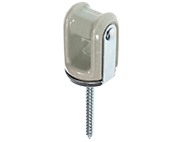
Wireholders for Cable Routing, Support, and Protection
Wireholders are used to secure, support, and organize wires or cables in electrical installations so conductors stay in position and remain protected from movement, abrasion, or contact with surrounding surfaces. In industrial environments, they help maintain cleaner routing paths, reduce strain on wiring, and support safer installations in panels, equipment, and building electrical systems. By holding conductors where they belong, wireholders can also make servicing and troubleshooting easier over time.
Different wireholder types are designed for different mounting conditions and protection needs. Some are used for simple routing and retention, while others are selected based on trade size, whether insulation is required, or whether the application involves exposure to heat, vibration, or harsher operating conditions. Material selection can also affect suitability, since composition and insulation material influence durability, electrical separation, and resistance to environmental factors. The right choice depends on how the conductors need to be supported and what conditions the installation will face.
Galco offers wireholders for a range of industrial electrical applications where wire support, protection, and organization are important. Choosing the correct wireholder depends on trade size, whether the holder is insulated, material composition, required level of protection, and whether the application involves hazardous locations or other demanding conditions. Proper selection helps support wire management, reduce wear, and improve installation reliability across power and electrical systems.
Choosing the Right Wireholder for the Application
Selection starts with the size and type of wire or cable being supported. Trade size needs to match the conductor or bundle correctly, but it is also important to consider how the wiring will be routed and what kind of support or retention is needed. Some applications only require basic positioning, while others need added insulation or a holder material that better suits mechanical stress, electrical separation, or long-term durability.
Environmental and installation conditions should also guide the choice. Exposure to vibration, abrasion, moisture, heat, or hazardous locations can all affect whether a standard holder is appropriate or whether a more specialized design is needed. In some systems, wireholders are used alongside related components such as cable entries, cable grips, and other wire management hardware to support a more secure and organized installation.
Frequently Asked Questions
What is a wireholder used for?
A wireholder is used to secure and support wire or cable so it stays properly routed and protected within an electrical installation. It helps reduce movement, improve organization, and protect conductors from wear or contact with surrounding surfaces.
How do I choose the right wireholder?
Start by matching the wireholder to the trade size and type of conductor being supported. Then consider whether the application needs an insulated holder, what material is best for the environment, and whether added protection is needed based on heat, vibration, moisture, or other operating conditions.
When do I need an insulated or hazardous-location-rated wireholder?
An insulated wireholder is often used when added separation or conductor protection is needed, while a hazardous-location-rated option may be required where the installation environment has more demanding safety or compliance requirements. The right choice depends on both the wiring method and the conditions of the application.