
Drum Heaters
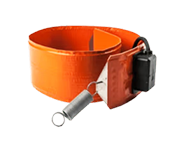
Drum Heaters for Temperature and Viscosity Control
Drum heaters are used to heat and maintain the temperature of materials stored in drums, barrels, and containers. They are commonly applied in industrial processes where liquids, oils, chemicals, resins, adhesives, or other temperature-sensitive materials must remain flowable and within a controlled viscosity range. By providing consistent heat distribution, drum heaters help improve material handling, reduce waste, and maintain process efficiency.
In industrial environments, drum heaters are widely used in chemical processing, manufacturing, food processing, and oil and gas applications where materials can thicken or solidify at lower temperatures. Maintaining proper material temperature improves pumping, mixing, dispensing, and transfer operations. Drum heating systems are often used alongside temperature probes and sensors to monitor process conditions and maintain accurate temperature control.
Drum heaters are available in several configurations, including band heaters, blanket heaters, and insulated heating jackets, depending on the heating requirements and container size. In larger systems or applications that require centralized control, drum heaters may also be integrated with control panels to manage multiple heating zones, set temperature settings, and improve operational consistency. These systems are commonly paired with other process temperature management solutions, such as heat tracing, in facilities where freeze protection or maintaining a constant temperature is required across both storage and piping systems.
When selecting a drum heater, key considerations include drum size, material compatibility, required temperature range, power requirements, and environmental conditions. It is also important to evaluate insulation performance, control options, and safety features to ensure efficient and reliable operation. Properly selected drum heaters help maintain product consistency, improve process efficiency, and reduce downtime due to material-handling issues.
Frequently Asked Questions
What safety considerations apply to drum heaters?
Proper grounding, temperature control, and compatibility with the material being heated are important to prevent overheating, equipment damage, or safety hazards.
How do I determine the correct wattage for a drum heater?
Required wattage depends on drum size, material viscosity, target temperature, and ambient conditions. Higher wattage allows faster heating but must be matched to the application safely.
What maintenance is required for drum heaters?
Routine inspection of heating elements, temperature controls, insulation, and electrical connections helps ensure safe and reliable operation over time.