
Panel Meters & Gauges
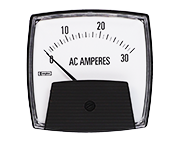
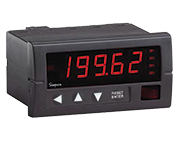
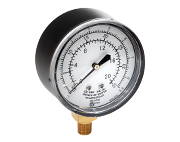
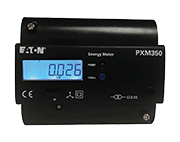
Panel Meters and Gauges for Industrial Display, Measurement, and Monitoring
Panel meters and gauges are used to display electrical, mechanical, and process measurements in a clear, readable format for operators and technicians. These devices convert input signals into visual readings that support equipment monitoring, troubleshooting, process control, and system performance verification. They are commonly installed in control panels, machinery, power distribution equipment, test systems, and production environments.
In industrial applications, panel meters and gauges can display values such as voltage, current, power, temperature, pressure, speed, frequency, and flow. Analog panel meters provide a simple visual indication of measured values and are often preferred where trend visibility and quick status checks are important. Digital panel meters offer higher resolution, configurable displays, alarm outputs, and communication options for more advanced monitoring requirements. Gauges are used for local indication of process variables such as pressure or temperature, while power meters provide visibility into electrical consumption, demand, and power quality conditions.
When selecting panel meters and gauges, key considerations include input signal type, display format, measurement range, accuracy, resolution, mounting requirements, and environmental conditions. Electrical applications may require compatibility with current transformers, shunts, voltage inputs, or process signals, while process applications may depend on sensor or transducer outputs. Proper selection ensures that operators can quickly interpret system conditions and respond to abnormal readings before they affect equipment performance or process reliability.
For systems requiring local visibility, a simple analog meter or gauge may provide the most practical solution. For applications that require alarms, data output, or configurable engineering units, digital panel meters and power meters may be better suited. Matching the display device to the measurement signal, operating environment, and user interface requirements helps improve system visibility, maintenance efficiency, and operational control.
Frequently Asked Questions
Can panel meters provide alarm outputs?
Yes, many digital panel meters include alarm or relay outputs that activate when the measured value exceeds a setpoint. This allows the meter to alert operators or trigger control actions.
How often should panel meters and gauges be calibrated?
Many facilities calibrate panel meters and gauges annually, but critical applications or devices exposed to vibration, temperature extremes, or harsh conditions may require calibration every three to six months. Calibration frequency should match the accuracy requirements and maintenance standards of the facility.
What does scaling mean on a panel meter?
Scaling converts an input signal into the correct engineering unit on the display. For example, a 4-20 mA signal can be scaled to show pressure, temperature, speed, or level depending on the application.