
AGVs
AGVs for Automated Material Handling and Warehouse Transport
Automatic guided vehicles, or AGVs, are computer-operated, autonomous machines used in industrial settings for tasks such as moving, stacking, loading, and unloading pallets, parts assembly, moving materials to conveyor belts, towing warehouse equipment, and order picking. In manufacturing and warehouse environments, AGVs help reduce manual transport, improve material flow, and support more consistent movement of goods between workstations, storage areas, and production lines.
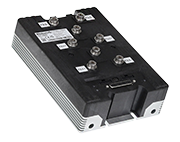
AGVs use computer software and navigation sensors to guide movement and determine position, direction, and location within a facility. They are self-powered and utilize power management systems to monitor battery charge, energy usage, and overall vehicle health. Depending on the application, AGVs may also rely on motor controllers to regulate drive motors, steering response, acceleration, braking, and speed control for safe and accurate movement.
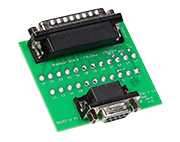
Examples of AGVs include warehouse tuggers, towing AGVs or tugs, mechanized fork trucks, heavy load carriers, and mobile robots equipped with robotic limbs. AGV accessories can also support system installation, operation, and maintenance by improving safety, connectivity, charging, mounting, or vehicle customization. These supporting components help ensure AGVs are properly configured for the facility layout, load requirements, and operating environment.
When selecting AGV equipment, key considerations include load capacity, vehicle type, navigation method, travel path, floor conditions, turning radius, battery runtime, charging strategy, traffic management, and integration with existing automation or warehouse systems. Properly selected AGVs can improve throughput, reduce handling errors, lower labor-intensive transport requirements, and support scalable automation in manufacturing and distribution operations.
Frequently Asked Questions
Can AGVs operate in mixed traffic environments?
Yes, AGVs can operate around workers, forklifts, and other equipment when the system is designed with appropriate safety zones, sensing equipment, traffic rules, and speed limits.
What facility conditions are important for AGV operation?
AGVs perform best on clean, level floors with predictable traffic patterns and clearly defined travel paths. Floor condition, aisle width, ramps, doorways, lighting, and obstacle placement should all be evaluated before deployment.
How do AGVs communicate with other equipment?
AGVs can communicate with conveyors, doors, lifts, charging stations, PLCs, and warehouse systems through wired or wireless communication. This allows them to receive tasks, coordinate movement, and interact with automated equipment.