
Diodes
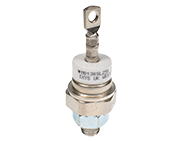
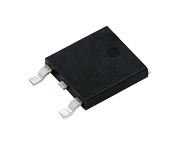
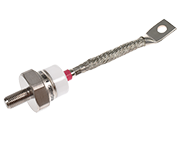
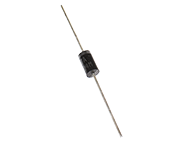
Diodes for Rectification, Circuit Protection, and Electronic Switching
Diodes are two-terminal semiconductor devices that allow current to flow primarily in one direction, from anode to cathode, while blocking current in the reverse direction. This one-way current flow makes diodes essential in electronic circuits for rectification, current steering, voltage protection, signal control, and switching applications.
In practical applications, diodes are used in power supplies, control circuits, motor drives, industrial electronics, lighting systems, and protection circuits. Standard recovery diodes are commonly used in general rectification applications where switching speed is not the primary concern. Fast recovery diodes are designed for circuits that require quicker switching and reduced reverse recovery time, making them useful in higher-frequency power conversion and switching applications. Schottky diodes provide low forward voltage drop and fast switching performance, which helps reduce power loss in efficient power supply and low-voltage circuits.
Specialized diodes support additional circuit protection and regulation functions. Zener diodes are used to maintain a stable voltage or protect circuits from overvoltage by conducting in reverse once a defined breakdown voltage is reached.
When selecting a diode, key considerations include forward current rating, reverse voltage rating, forward voltage drop, reverse recovery time, leakage current, package style, and thermal performance. Proper selection ensures efficient current flow, reliable protection, and long-term semiconductor performance in the intended circuit. Matching the diode type to the electrical load, switching behavior, and thermal conditions helps improve circuit reliability and prevent premature component failure.
Frequently Asked Questions
How does temperature affect diode performance?
Temperature affects forward voltage drop, leakage current, and maximum current capability. Higher temperatures can increase leakage current and reduce reliability if the diode is not properly rated or cooled.
Do diodes need regular maintenance?
Yes, maintenance for diodes in industrial equipment typically includes checking for overheating, loose connections, discoloration, cracked packages, failed solder joints, and signs of electrical stress during routine inspections.
What should be checked when replacing a diode?
The replacement diode should match or exceed the original device's reverse voltage rating, forward current rating, surge current rating, recovery time, package type, polarity, and thermal requirements.