
Cable Testers
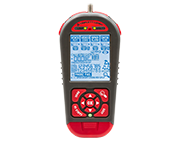
Types of Cable Testers
Cable testers are used to verify cable integrity and wiring performance during installation and troubleshooting. They can help identify faults, confirm continuity, and validate wiring configurations based on supported cable types.
- Cable testers designed for basic continuity and configuration verification.
- Testers intended for troubleshooting workflows where fault identification is important.
- Portable testers for field installation and maintenance checks.
For locating and identifying cable runs before verification, compare wire tracers. For broader electrical troubleshooting, consider multimeters.
Key Selection Criteria for Cable Testers
- Supported cable types, connectors, and wiring standards relevant to your work.
- Fault detection capabilities aligned with your troubleshooting needs.
- Test range and usability across typical cable lengths.
- Result clarity, including pass/fail vs. diagnostic detail.
- Portability and durability for field use.
Selecting a tester matched to your cable types and workflow helps reduce rework and speeds up troubleshooting.
Frequently Asked Questions
What is the difference between a cable tester and a wire tracer?
Cable testers are used to verify cable integrity and configuration, while wire tracers are used to locate and identify cable runs and circuits.
How do I choose a cable tester for my cable types?
Start by confirming the cable categories and connectors you work with most often, then compare testers based on compatibility, test functions, and result detail. If your workflow also includes electrical verification at endpoints, review electrical testers and multimeters.
Do I need detailed results or pass/fail testing?
Pass/fail is often enough for installation verification, while diagnostic detail is more useful when troubleshooting faults or documenting issues. If you need to track conditions over time, consider whether logging via data acquisition supports your documentation requirements.
