
Multimeters
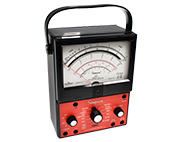
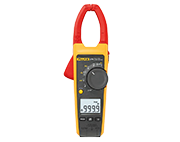
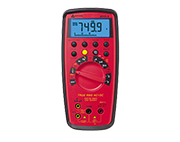
A multimeter is an electronic testing device that combines several measurement functions into one unit. The simplest multimeters measure voltage, current, and resistance. Advanced multimeters can also measure capacitance, conductance, frequency, inductance, temperature, continuity, and more with application-specific attachments.
Digital multimeters typically feature a display, a dial to select different measurement functions, and test leads or a clamp to test components or wires. High-end multimeters also include a number of buttons that further specify the measurement characteristic or allow storing and recalling data.
Digital multimeters are preferred for their rugged construction, handheld use, and portability for fieldwork. Analog meters are less common, but applicable in situations where measurement values rapidly fluctuate.
Types of Multimeters
Multimeters are widely used for electrical measurement and troubleshooting, supporting tasks such as checking voltage, current, resistance, and continuity. They are common in industrial maintenance and service workflows.
- General-purpose multimeters for routine electrical checks.
- Models designed for repeated troubleshooting with clear displays and controls.
- Multimeters with features intended for documenting or comparing readings.
For quick verification checks without numeric readings, compare electrical testers. For signal troubleshooting beyond DC measurements, compare oscilloscopes.
Key Selection Criteria for Multimeters
- Measurement ranges aligned with the systems you service.
- Accuracy, resolution, and repeatability appropriate for the application.
- Usability factors such as display readability and control layout.
- Portability and durability for jobsite conditions.
- Any needs for capturing, reviewing, or exporting readings.
Selecting a properly matched multimeter helps support faster troubleshooting and more consistent verification.
Frequently Asked Questions
When should I use a multimeter instead of an electrical tester?
Use a multimeter when you need numeric measurements and diagnostic detail. Use an electrical tester when you only need a quick verification check without detailed values.
What specifications matter most for multimeters?
Start with measurement range and accuracy, then compare resolution, usability, and durability based on how and where you work. If you need to measure specialized three-phase setup conditions, compare phase rotation testers.
What features help with troubleshooting work?
Features that support repeatable troubleshooting include easy-to-read displays, stable measurements, and functions that help capture or compare readings during diagnosis. For logging patterns over time, compare power monitoring or data acquisition depending on the application.
