
Stroboscopes
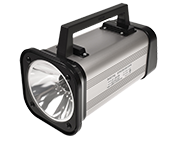
Types of Stroboscopes
Stroboscopes help observe motion and rotational behavior by flashing light at controlled rates. They support inspection tasks where non-contact observation is useful.
- Portable stroboscopes for field inspections and walk-around checks.
- Stroboscopes that are intended for repeated maintenance routes and consistent observation.
- Models designed for higher visibility and more precise control in inspection workflows.
If you need a numeric RPM reading instead of visual observation, compare handheld tachometers. For broader condition checks in rotating equipment programs, compare vibration testers.
Key Selection Criteria for Stroboscopes
- Flash rate range appropriate for your equipment speeds.
- Brightness and visibility in your environment.
- Control precision and ease of adjustment.
- Portability and durability for field work.
- Power and battery considerations for route-based inspections.
Selecting a stroboscope that matches the inspection workflow supports clearer observation and more consistent verification.
Frequently Asked Questions
When should I use a stroboscope instead of a tachometer?
Use a stroboscope when visual observation of motion behavior is important. Use a tachometer when you primarily need an RPM reading as a numeric value.
What should I compare when selecting a stroboscope?
Compare flash rate range and brightness first, then evaluate control precision, portability, and durability based on where it will be used. For rotating equipment monitoring beyond observation, compare vibration testers.
How do I choose a stroboscope for field inspections?
Prioritize portability, durability, and ease of adjustment, then compare brightness and control range based on the equipment you inspect. For numeric RPM needs in field routes, compare handheld tachometers.
