
Solder
Solder Supplies for Electronics Assembly and Repair
Solder is a fusible metal alloy used to create permanent electrical and mechanical connections between components. In electronics assembly, maintenance and repair work, solder provides reliable conductivity and strong joints that withstand vibration, thermal cycling and long-term use.
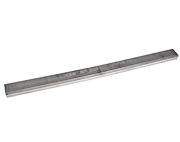
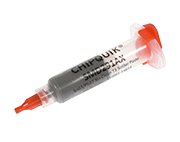
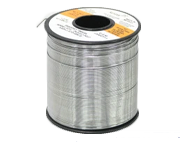
Different types of solder and soldering materials are available to match specific applications. Solder wire is commonly used for through-hole and general circuit work, while solder bar form is often used in wave soldering and high-volume production environments. For cleaning and surface preparation, flux improves wetting and prevents oxidation during the soldering process.
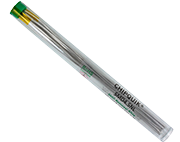
In applications where solder must be removed cleanly, such as component replacement or rework, solder removal alloy facilitates effective desoldering by helping draw molten solder away from joints. Pair these materials with the right tools and techniques to achieve professional results.
For complete soldering solutions, be sure to explore our selection of soldering equipment to match your workflow and production needs.
Frequently Asked Questions
What solder alloy is best for general electronic circuit assembly?
For most electronic assemblies, tin-lead and lead-free solder alloys are used. Tin-lead alloys melt at lower temperatures and flow well, while lead-free alloys are often required for compliance with environmental regulations. Choosing the right alloy balances performance, reliability, and regulatory needs.
How does solder wire diameter affect soldering performance?
Solder wire diameter influences heat transfer and control. Smaller diameters allow precise delivery for fine-pitch components, while larger wire feeds more solder quickly for larger joints. Matching wire size to the joint size improves solder quality and reduces excess flux residues.
Why is cleanliness important before soldering?
Contaminants such as oil, oxidation, or dirt inhibit solder wetting and joint formation. Cleaning with the appropriate flux or cleaning solvents before soldering helps ensure proper solder flow and strong electrical and mechanical connections.