
Soldering
Soldering Tools and Equipment for Electronics Assembly and Repair
Soldering is the process of joining two or more electrical or electronic components by melting a filler metal and applying it to the connection point. The filler material, known as solder, creates a strong mechanical bond and a reliable conductive path, making soldering essential for circuit board assembly, wiring repairs and electronic maintenance.
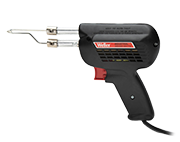
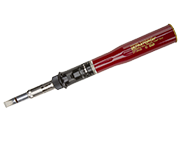
Soldering work is typically performed using soldering guns or soldering irons, which heat the joint to the melting point of the solder. Because solder melts at a lower temperature than the base components, the process allows secure connections without damaging sensitive circuit traces or electronic parts.
For greater control and repeatable results, soldering stations provide added versatility through adjustable temperature settings. This allows technicians to match heat output to the specific solder alloy and application, improving joint quality and reducing the risk of overheating. Proper soldering equipment helps ensure smooth solder flow, rapid cooling and durable connections that resist cracking, vibration and long-term wear.
Browse our selection of soldering guns, soldering irons and professional soldering equipment to find the right tools for electronics assembly, prototyping and industrial repair projects.
Frequently Asked Questions
How do I choose the right soldering iron tip for a specific task?
Select the tip based on component size, heat transfer needs and precision requirements. Fine, pointed tips are ideal for small surface mount components, while larger chisel tips provide broader heat distribution for larger pads and connectors.
Can soldering stations be used for both lead-free and leaded solder?
Yes, temperature-adjustable soldering stations allow you to set the ideal temperature for different solder types. Lead-free solder typically requires higher temperatures than leaded solder, so adjustable heat control is essential for quality results.
What safety practices should be followed when using soldering equipment?
Always wear eye protection and heat-resistant gloves, work in a well-ventilated area, and secure workpieces before heating. Avoid touching heated surfaces and use proper stands to hold soldering tools when not in use to prevent burns or accidental damage.
How does soldering power rating affect performance?
Soldering tools with higher wattage ratings heat up faster and maintain temperature more consistently when working on larger joints. Lower wattage irons are suitable for delicate work where precise, steady temperatures are more important than raw heat output.
